
A compostable molded pulp egg shell for gifts, ornaments and fragile keepsakes. Two-piece construction, fiber-soft cushioning — designed to be opened, kept, and returned to the earth.

A two-piece opening design for safe protection and easy access. Wet-pressed in a single mold, so the seam aligns by nature — not by tolerance.
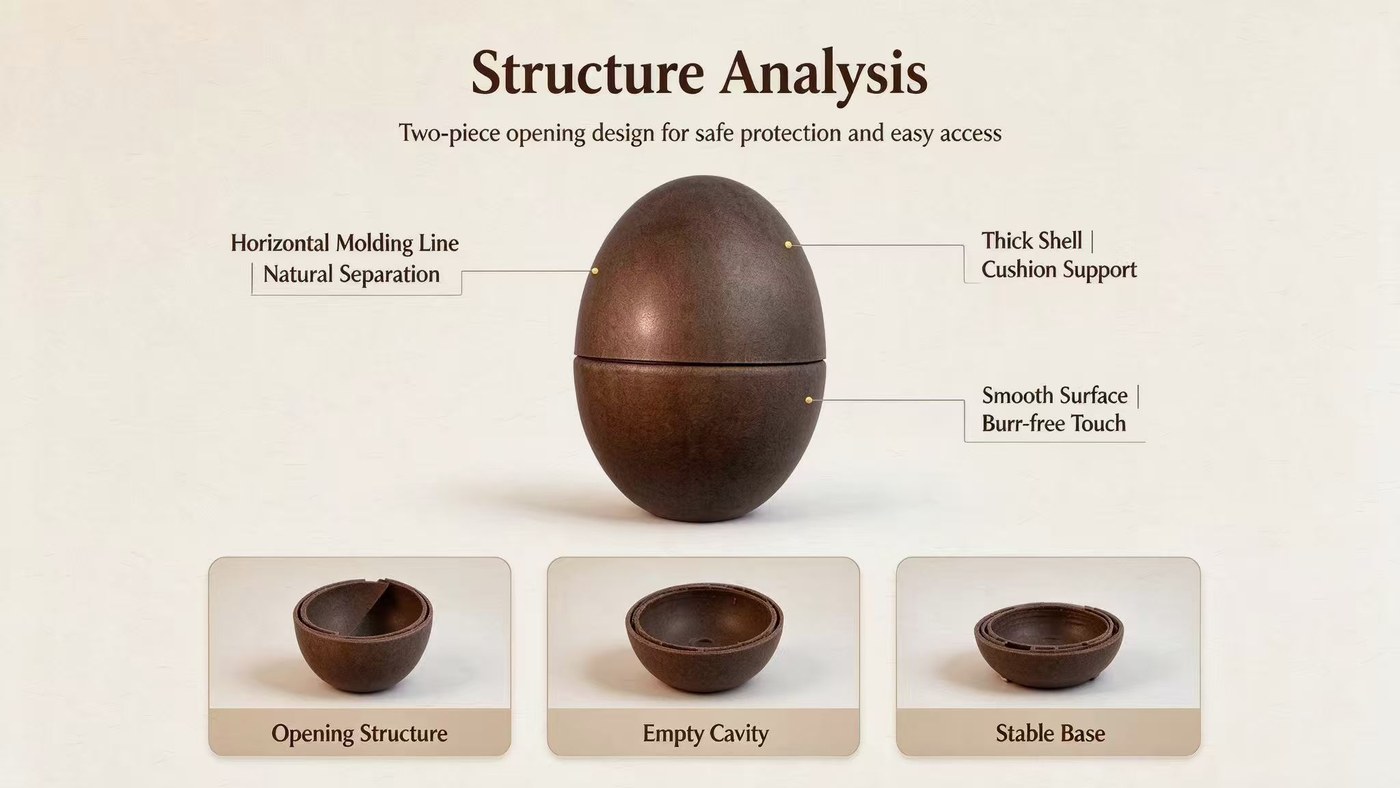
Precision-molded lip holds the lid without tape, glue or staples. Opens in one motion, closes flush.
Hollow core absorbs shock on all sides while keeping the shipped weight under 60 g.
Flat-pressed foot sits level on any shelf — no wobble, no tipping, retail-ready on arrival.

Standard color matches for different brands and styles. Custom Pantone matching and logo printing available from 10,000 pcs.
Standard colors stocked in bulk. Custom color printing supported — share your Pantone reference and we will match on pulp.
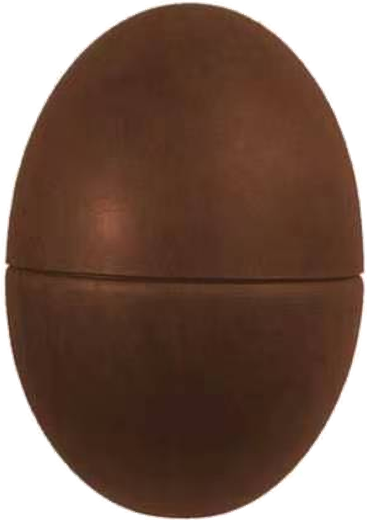
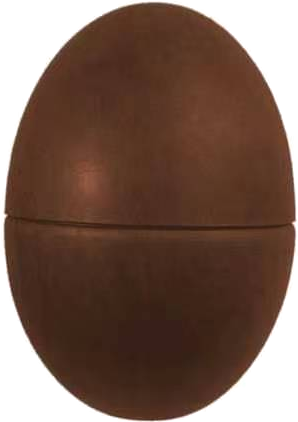
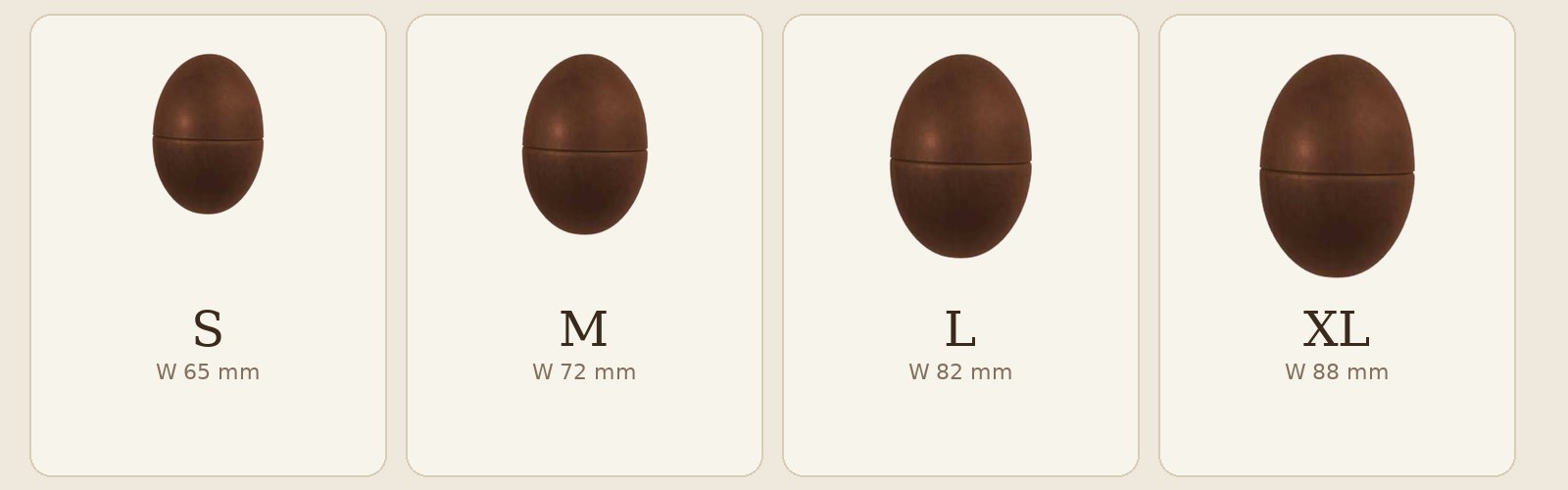
Multi-size shells for different packaging needs — from a single ring to a full ornament set. MOQ varies by mold.
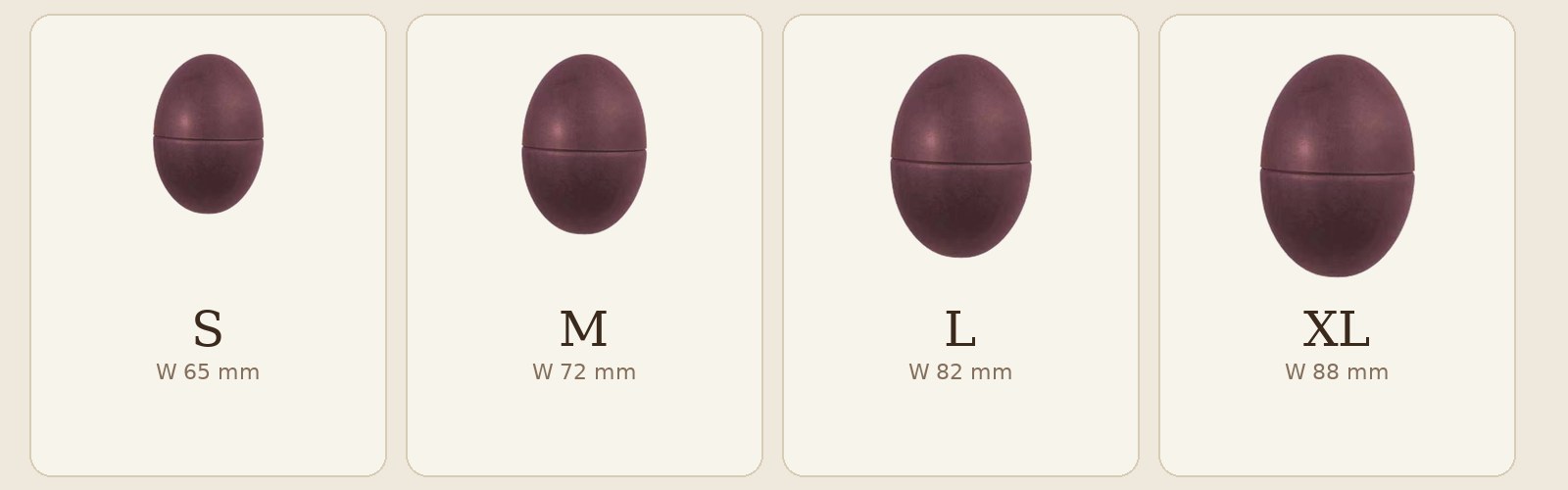
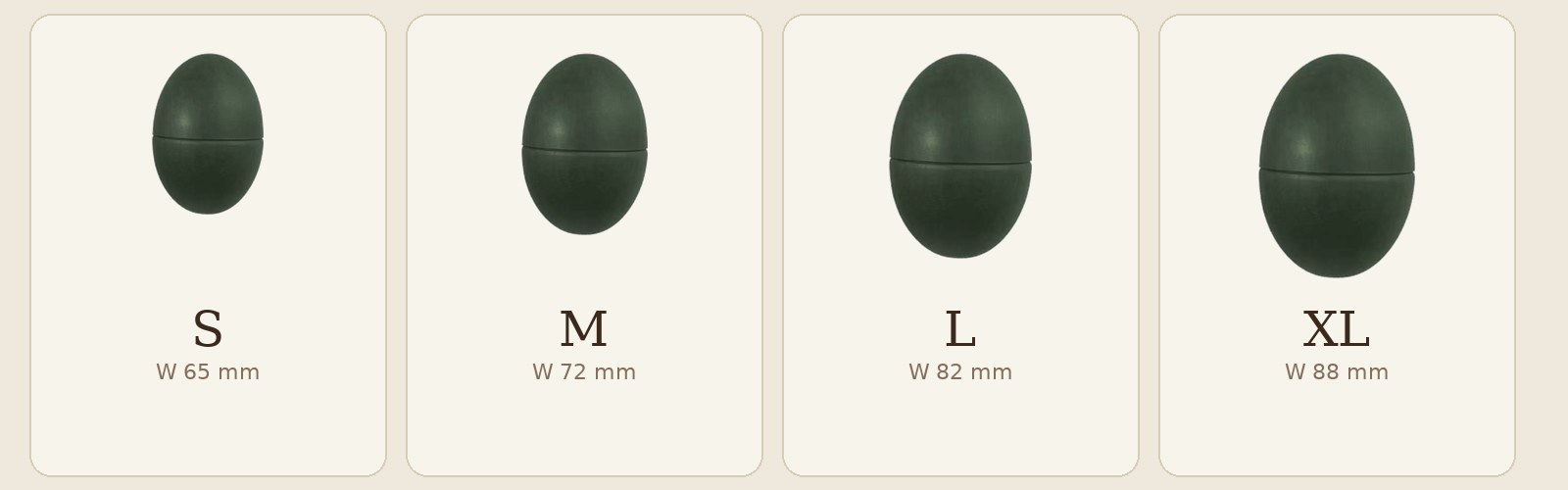
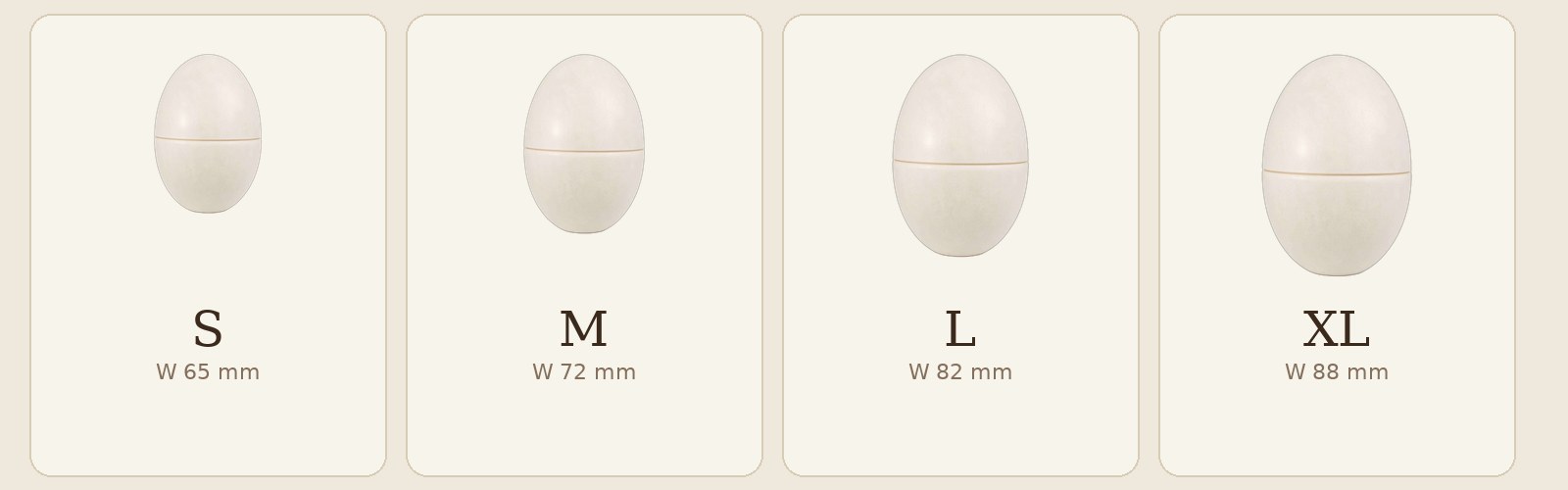
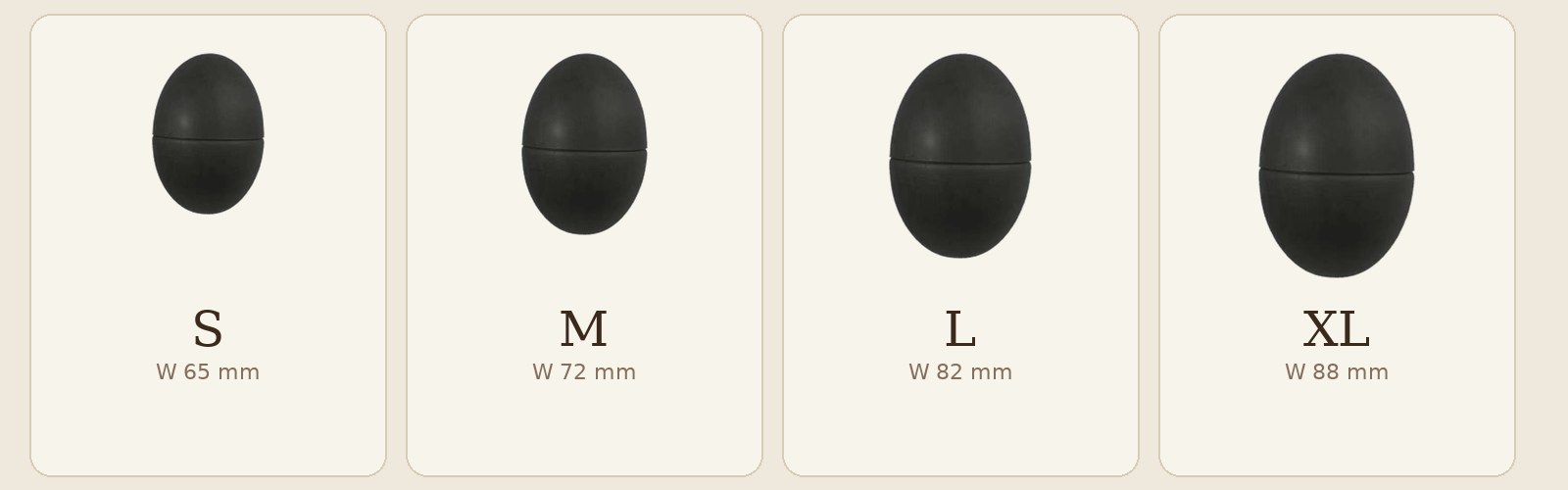
 SW 65 mm
MW 72 mm
LW 82 mm
XLW 88 mm
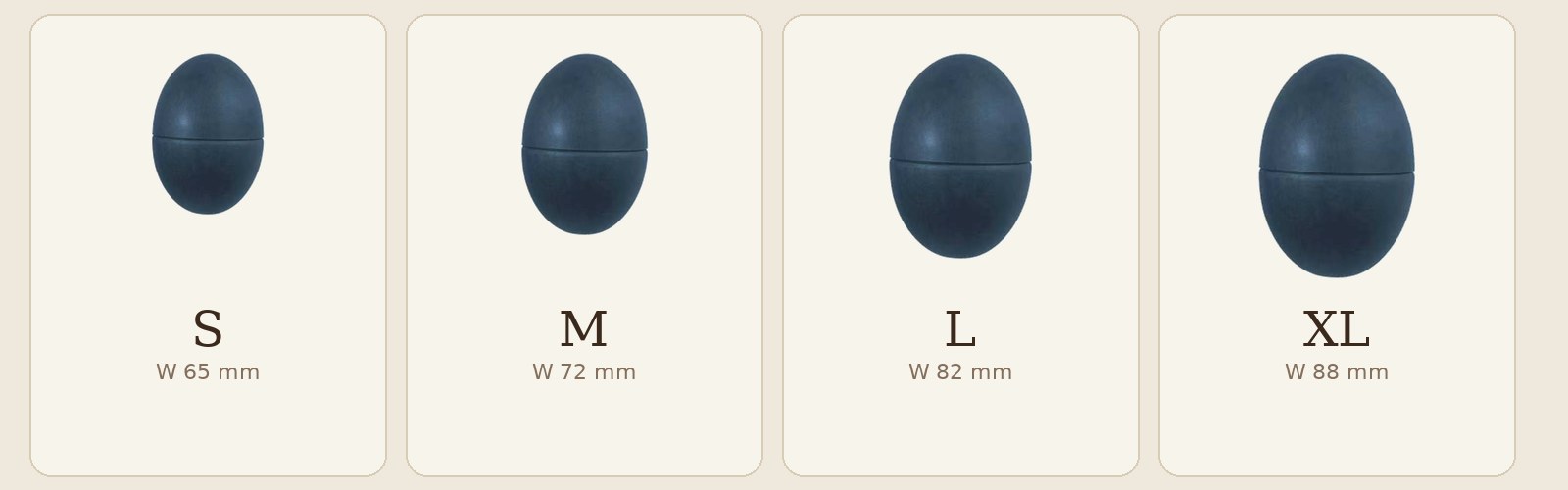
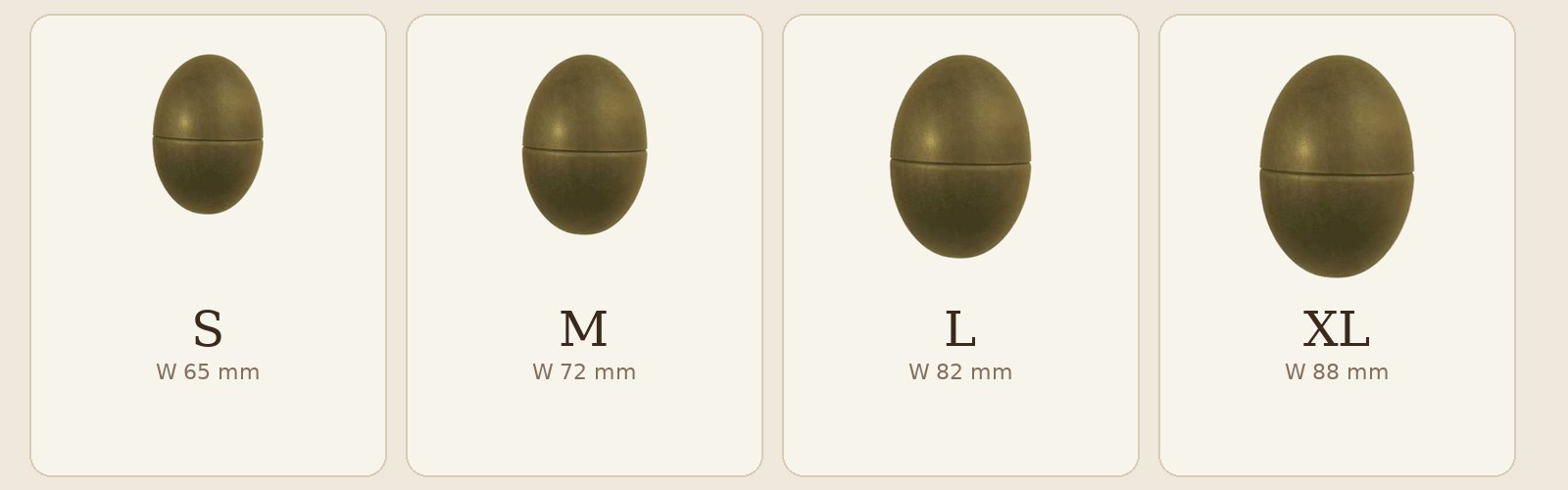
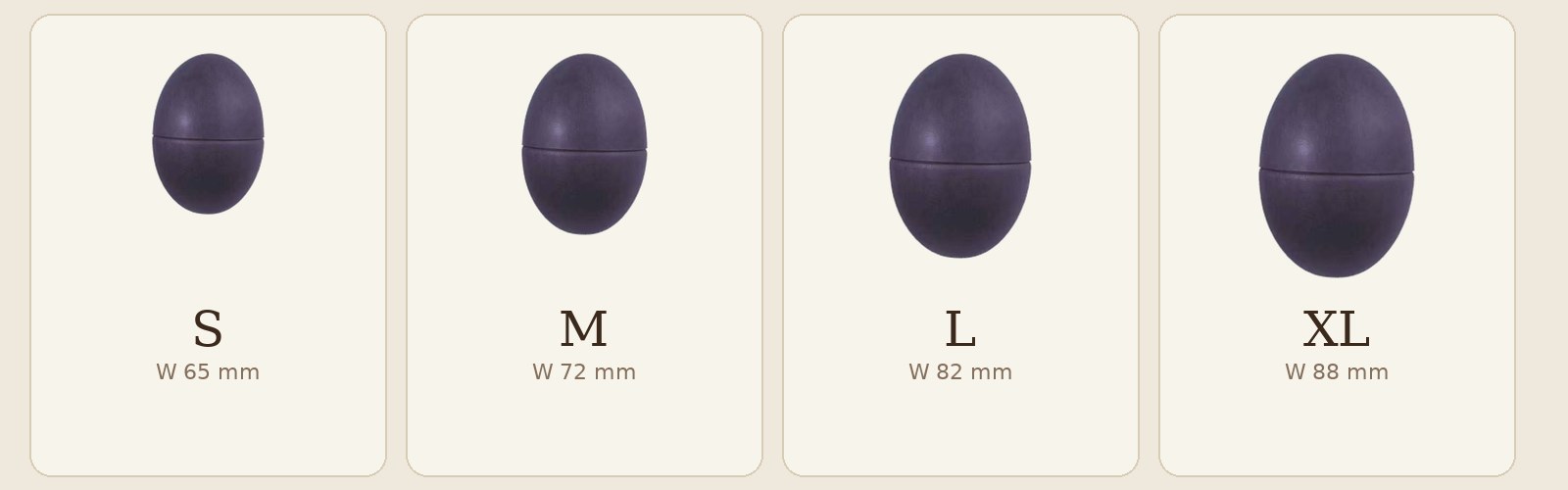
Paper Dragon Egg in eight colourways, each moulded in four diameters from 65 to 88 mm — the same shell, scaled from a single ring to a full keepsake set.
OEM and ODM supported. Send a drawing, a reference sample, or simply a sketch — we return a mold plan and a quote within five working days.
Customized proportion & layout for your exact product cavity.
Pretreated pulp base, custom color matching on request.
Deboss, print or label — position and proportion controlled.
Insert trays, outer cartons, and retail-ready sets assembled.
Pressed clean, used once, and returned to the soil. No plastic layer, no mixed material, no landfill sentence.
Bamboo pulp, bagasse pulp and wood pulp — renewable and recyclable, with a low carbon footprint per unit.
Water-based molding process, stable quality batch to batch.
Less plastic waste — recyclable and compostable at home.
Short, practical notes for buyers and designers working with molded pulp packaging. No fluff — just what decides a sample, a price or a shipment.
Foam is cheap and light. Pulp is rigid, breathable and compostable. Here is where each one wins, and where the cost comparison flips.
Read note →For a 60–90 mm egg, both materials pass a 1.2 m drop test. The difference shows up in three places: wall thickness tolerance, moisture behaviour and end-of-life.
Molded pulp holds a moulded cavity to ±0.5 mm, so the egg sits on a shaped cradle instead of a flat foam pad. That reduces movement inside the box and lets you drop the outer carton by one flute grade — usually 8–12% off landed cost.
Where foam still wins: sub-40 g items with deep undercuts, and orders under 3,000 pcs where no mould exists yet.
Our four standard shells are not arbitrary. They map to the four most common gift categories — here is the fit chart we send buyers.
Read note →S — 65 mm: jewellery, single chocolate, small soaps. M — 72 mm: standard hen egg, bath bombs, mini candles.
L — 82 mm: duck eggs, larger ornaments, two-piece gift sets. XL — 88 mm: goose eggs and multi-item inserts.
Rule of thumb: leave 3–5 mm total clearance for tissue wrap. If your product is fragile and unpadded, go one size up rather than thicker walls — the cavity shape does more for protection than the wall does.
What happens between sending us a STEP file and holding a shell in your hand — including the two steps most suppliers skip.
Read note →Day 1–2: file review and draft angle check. Day 3–5: CNC master and silicone mould. Day 6–8: first pulp pulls, wall thickness measured at four points.
Day 9–10: fit test with your actual product (or a dummy at the same weight) and drop test to ISTA 1A. Day 11–12: trim, dry, colour match and ship.
The two steps most suppliers skip: a real fit test with a weighted dummy, and photographing every pull so you can see the wall variance before the sample lands.
Send your size, color and quantity — we reply with a quotation, a mold plan and a sample timeline within 24 hours.
